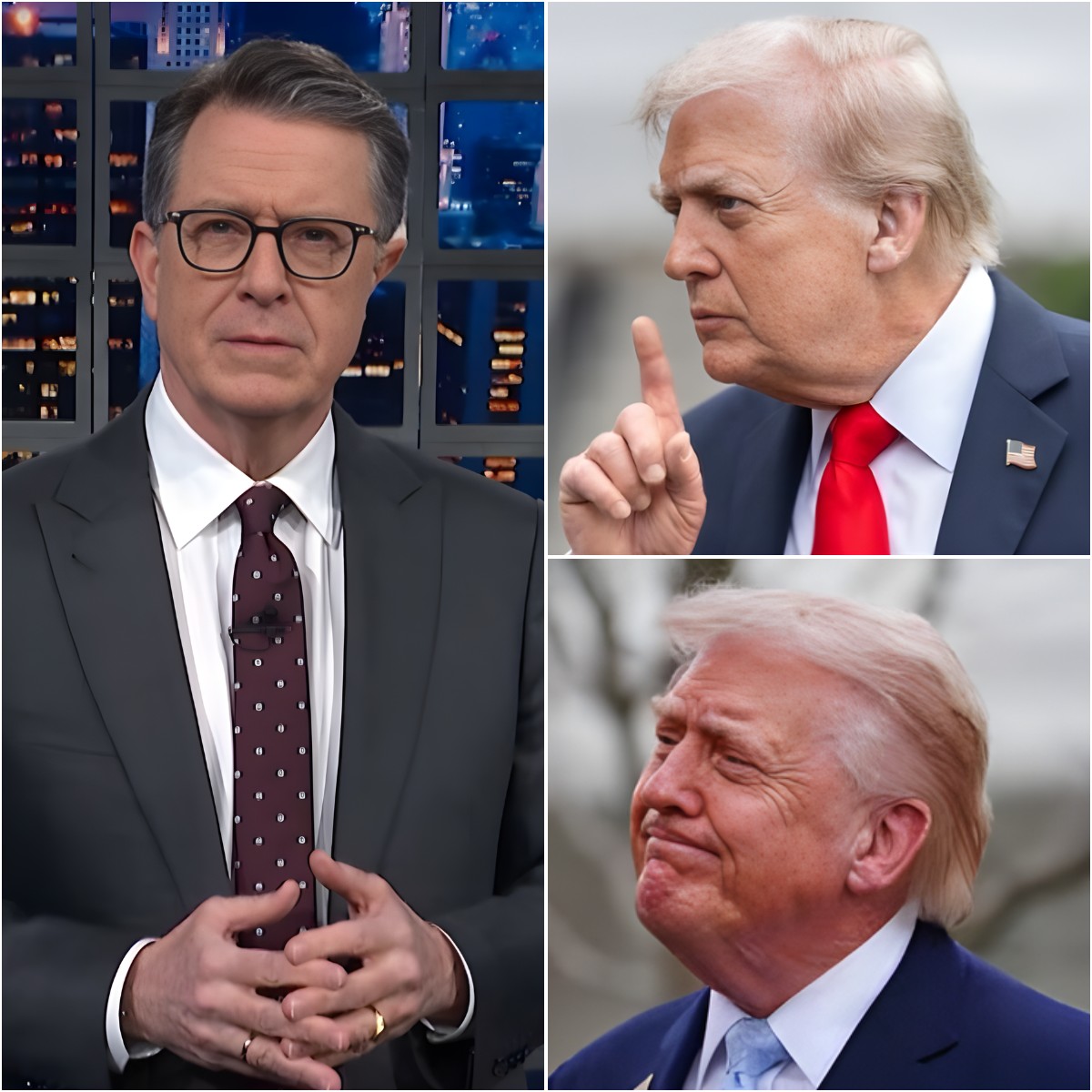
This storyline gained renewed attention after commentary from Stephen Colbert on The Late Show with Stephen Colbert, where he challenged the narrative surrounding Trump’s academic background. The segment framed Trump’s frequent mentions of Wharton as part of a broader pattern of self-presentation, rather than independently verified academic distinction.
Trump did attend Wharton, transferring from Fordham University before completing his degree. However, publicly available information about his academic performance remains limited. Over the years, Trump has not released detailed transcripts, which has contributed to ongoing speculation and debate about his academic record.
During the segment, Colbert used satire to question whether attendance at a prestigious institution necessarily equates to exceptional performance. While no verified academic documents were publicly introduced to substantiate claims about Trump’s grades, the discussion highlighted how selective information can shape public perception.
Trump responded to criticism in a manner consistent with past reactions to media scrutiny—dismissing unfavorable portrayals as inaccurate and politically motivated. He has frequently labeled such coverage as “fake news,” while maintaining his original claims about his educational achievements.
The broader issue extends beyond a single television exchange. It reflects how public figures construct narratives around credentials and success, and how those narratives are challenged in modern media ecosystems. In Trump’s case, references to Wharton have become symbolic, representing not just education but a broader claim to authority.
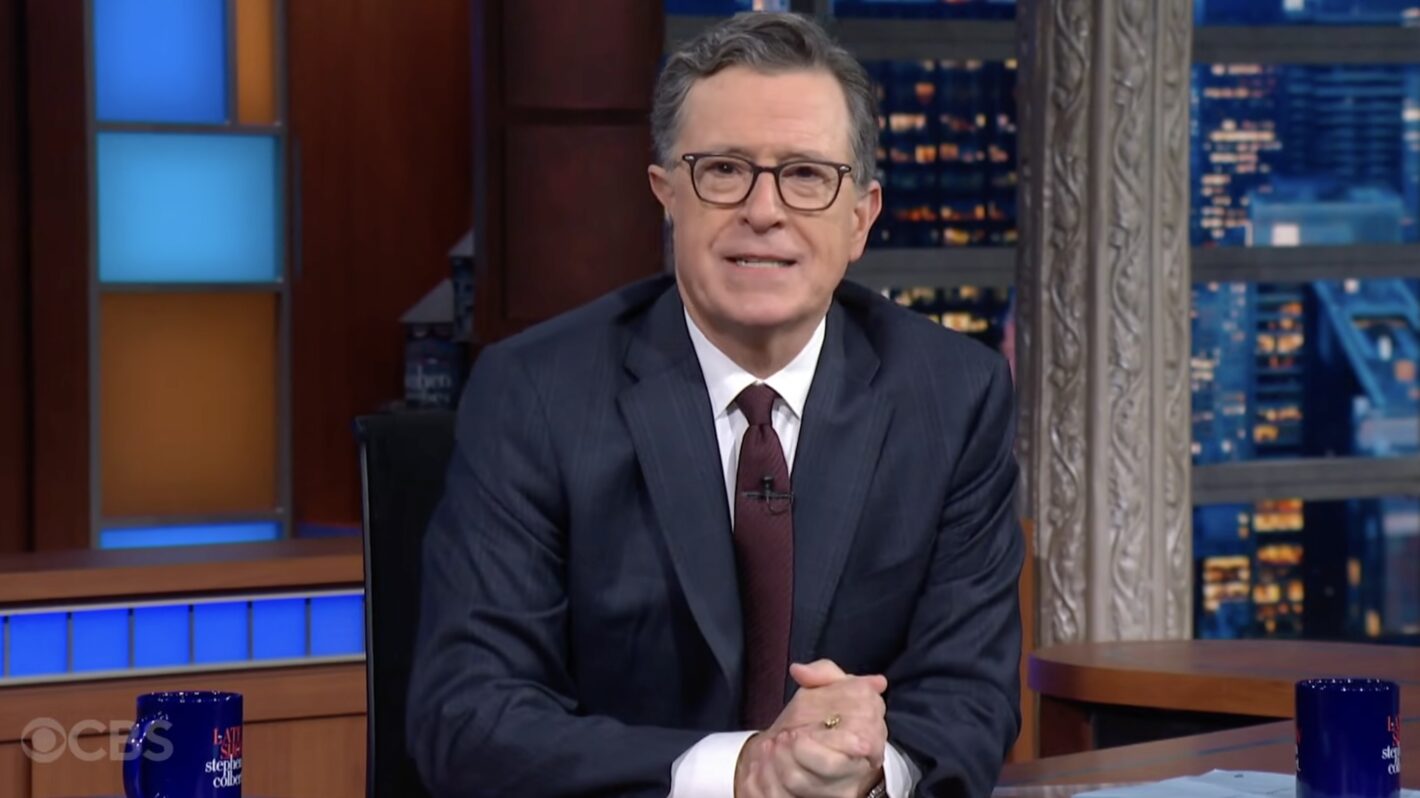
:max_bytes(150000):strip_icc()/The-Late-Show-with-Stephen-Colbert-071725-c35a8a7931d344e3930030c320477d11.jpg)
Media analysts note that late-night programs like Colbert’s increasingly function as platforms for political commentary. While rooted in comedy, these shows often engage with real-world issues, blending satire with critique and reaching audiences that traditional news outlets may not.
At the same time, critics caution that entertainment-based commentary should not be mistaken for verified reporting. Claims about sealed records or undisclosed documents require substantiation through credible sources, and without that, they remain part of a broader media discourse rather than established fact.
The persistence of this debate underscores a key feature of contemporary public life: the tension between personal branding and documentary evidence. Assertions about education, wealth, or success can shape perception, but they are also subject to scrutiny in an era where information—verified or not—spreads rapidly.
Ultimately, the discussion about Trump and Wharton is less about a specific transcript and more about how narratives are built, defended, and challenged. It illustrates the evolving relationship between politics, media, and public trust, where reputation is continuously negotiated in the space between claim and confirmation.
