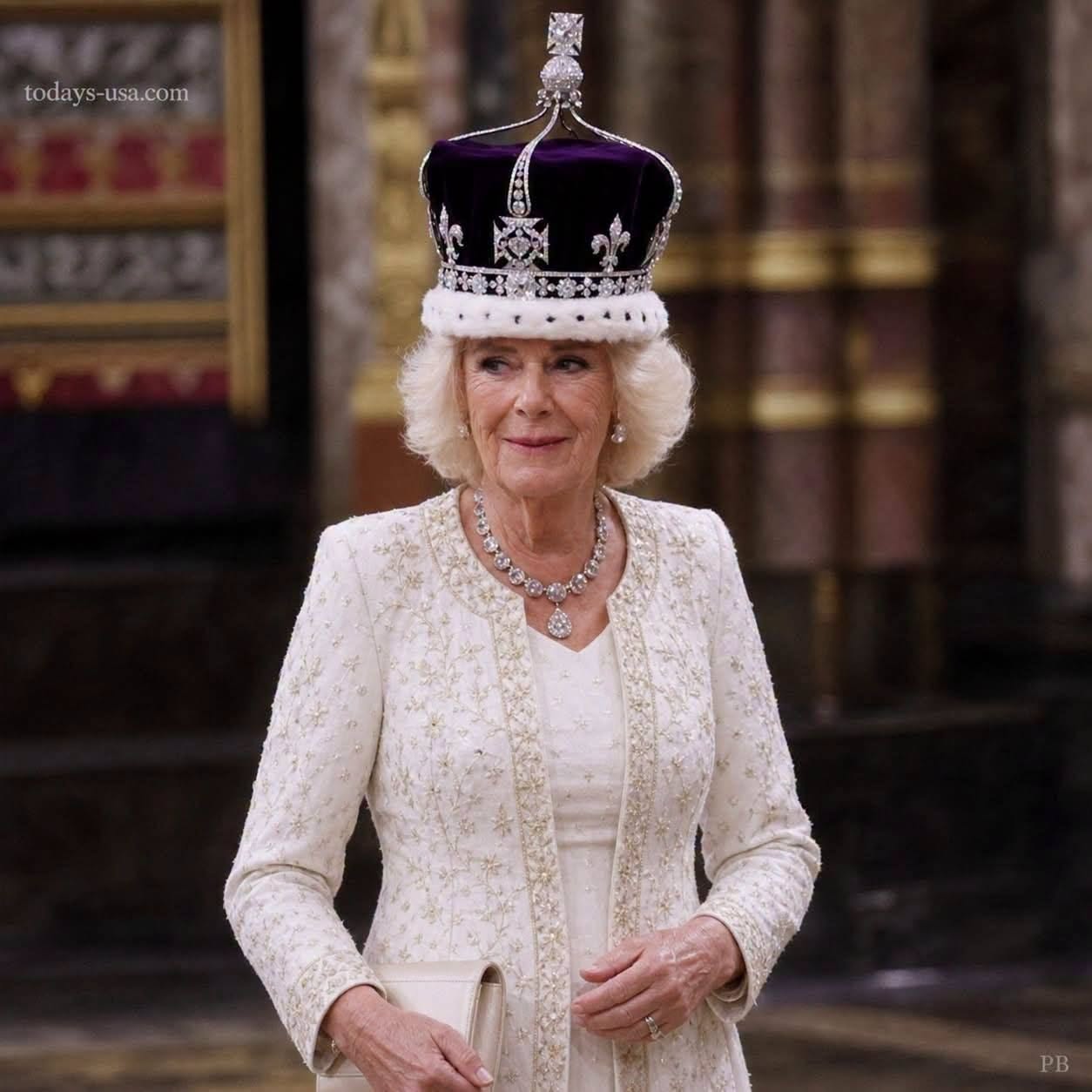
The headline was a trap. It screamed that Buckingham Palace had “confirmed” a rumor about Queen Camilla, then slammed on the brakes before telling you what supposedly happened. That missing piece wasn’t a mistake. It was the hook. By dangling an unfinished sentence beside a royal name, the post borrowed palace authority without offering a single verifiable fact. There was no date. No document. No spokesperson. Just a blurry image, an ellipsis, and the hope that readers would fill the silence with their own fears—illness, scandal, death—then click. This is how curiosity is weaponized online: the less you’re told, the more you imagine, and the more you imag… Continues…
The Queen Camilla rumor didn’t expose a royal secret; it exposed a tactic. By stopping the sentence just before the crucial detail, the publisher turned absence into bait, counting on readers to supply the drama in their own minds. “Buckingham Palace confirms…” sounds authoritative, but genuine announcements leave trails: official websites, named officials, major outlets repeating the same core facts. When those are missing, the ellipsis is not mystery; it is a warning.
Royal stories are especially vulnerable to this treatment because the characters are famous and the public is primed to expect drama. Old interviews, routine appearances, or minor updates can be dressed up as breaking bombshells. The defense is simple, but it requires discipline: pause, search the exact claim, check dates, and see whether reputable organizations agree. If a headline cannot be restated clearly without that dangling pause, it has not earned your trust—or your click.
