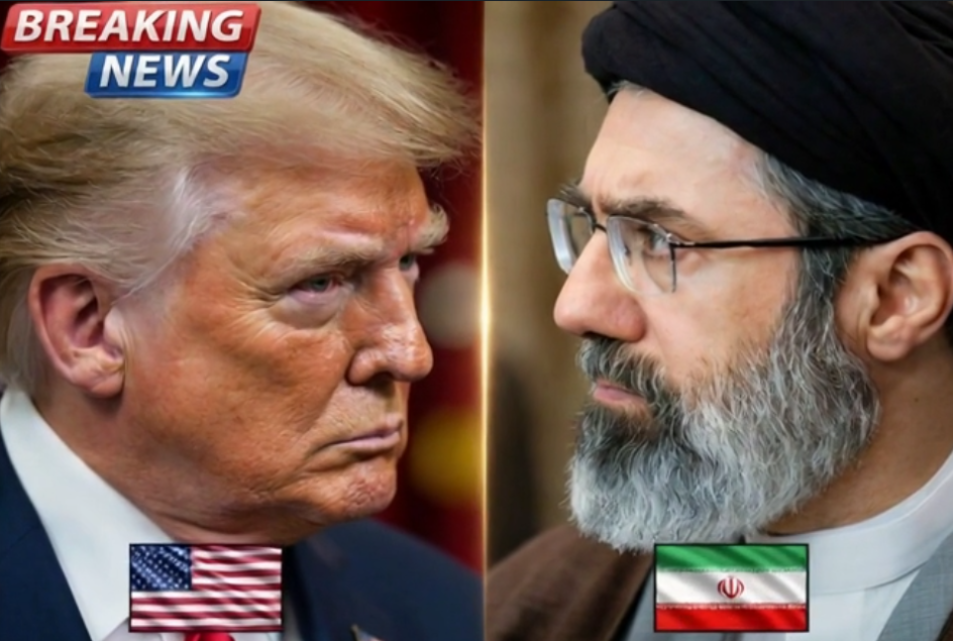
The First Explosions That Shattered the Illusion of Containment
The first explosions shattered more than buildings. They also shattered the lingering belief that the long-simmering conflict with Iran could still be contained. In the early hours of the operation, jets from the United States and Israel reportedly conducted a series of precision strikes across Iranian territory, marking a dangerous new chapter in Middle East tensions. What began as targeted military action quickly captured global attention, raising urgent questions about the risk of a wider regional war.
The coordinated campaign, reportedly codenamed Operation Epic Fury, was described by U.S. and Israeli officials as a decisive effort to degrade Iran’s military infrastructure and nuclear capabilities. Officials stated the strikes focused on sites believed to pose an imminent threat, including ballistic missile facilities, air-defense systems, drone bases, and key nuclear-related compounds. The goal, they emphasized, was not regime change but prevention—disrupting Iran’s ability to launch future large-scale attacks and buying time for longer-term diplomatic solutions.
Images and videos rapidly spread across social media, showing plumes of smoke rising from damaged compounds and destroyed radar installations. Iranian state media acknowledged the strikes but claimed many incoming missiles and drones were intercepted by air defenses. In response, Iranian leaders issued fiery statements promising “devastating revenge,” warning that the aggression would not go unanswered. The strong rhetoric fueled fears that the confrontation could spiral beyond a single exchange.
Allies across the region reacted with caution. Gulf states expressed concern over potential disruptions to oil shipments through the Strait of Hormuz, while European governments and diplomats urged immediate restraint. Several foreign ministries called for urgent de-escalation talks, warning that further escalation could destabilize the entire Middle East and trigger a broader conflict involving multiple nations.
Meanwhile, global markets felt the immediate shock. Oil prices surged on fears of supply disruptions, while stock markets in Asia and Europe opened lower. Behind closed doors, intense diplomatic efforts were underway to prevent additional rounds of strikes.
On the ground, the human impact was palpable. Families in Tehran, Isfahan, and other Iranian cities huddled in homes, checking alerts and listening for sirens. In Tel Aviv and Jerusalem, residents also remained on edge, recalling past exchanges of fire. For ordinary citizens on both sides, the night’s events represented more than strategy—they brought real fear and uncertainty about what the coming days would hold.
As the dust settles, the world watches closely. Whether this operation leads to a lasting shift in the balance of power or ignites a prolonged war remains the central question hanging over the region. For now, the path forward is fraught with risk, demanding careful navigation by all parties involved.
