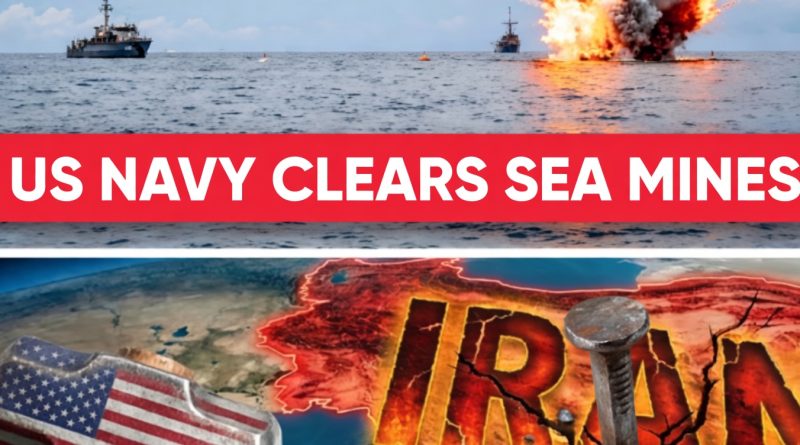
The world’s attention is fixed on the Strait of Hormuz, a narrow but crucial waterway responsible for transporting nearly 20% of the world’s oil supply. Recent developments have significantly heightened tensions, with the United States and Iran facing off over the security and control of this strategic passage. In recent weeks, Iran’s Islamic Revolutionary Guard Corps has reportedly carried out assertive maneuvers near the strait, raising alarms across the international community. Officials warn that any disruption to this corridor could severely impact global trade, energy markets, and regional stability.
In response, the United States has increased its naval presence, deploying warships to ensure continued freedom of navigation. The Strait of Hormuz remains one of the world’s most sensitive chokepoints—any interference could send shockwaves through global oil prices and disrupt international shipping networks. U.S. leaders have made it clear that safeguarding this route is a top priority.
Donald Trump has issued a strong warning to Iran, insisting the strait must remain open and cautioning that interference could prompt targeted action against Iranian infrastructure. His remarks underscore the seriousness of the situation and the risk of rapid escalation. The U.S. military presence, including aircraft carriers and destroyers, is intended both as a deterrent and as a safeguard for commercial vessels.
Meanwhile, Ali Khamenei has responded by emphasizing Iran’s sovereignty and warning against foreign interference in its waters. While Iranian officials have so far avoided direct confrontation, tensions remain high, and the possibility of miscalculation is a constant concern.
Beyond the region, countries across Europe, Asia, and the Middle East are closely monitoring developments. Energy markets have already reacted to the uncertainty, highlighting how events in this narrow passage can influence the global economy. As the situation evolves, maintaining stability and avoiding conflict will be critical to ensuring that this essential artery of global commerce remains secure.
