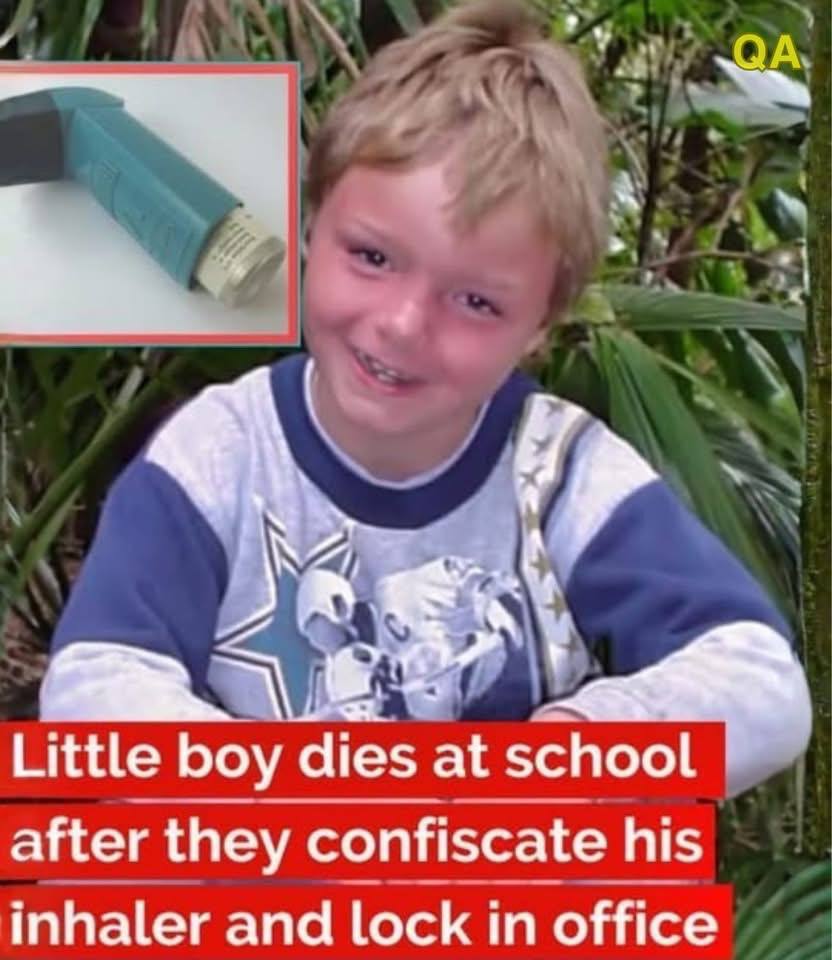
Asthma is a chronic respiratory condition that affects millions of children and adults worldwide. While many people manage asthma successfully with medication and proper care, health authorities emphasize that asthma attacks can become serious if not treated promptly. A widely reported case involving a Canadian student has contributed to increased awareness about the importance of immediate access to rescue medication, particularly in school environments.
Understanding Asthma and Its Risks
Asthma is a condition that causes inflammation and narrowing of the airways, leading to symptoms such as coughing, wheezing, shortness of breath, and chest tightness. According to the Centers for Disease Control and Prevention, asthma affects both children and adults and can vary in severity from mild to life-threatening.
Health experts note that asthma attacks can occur unexpectedly and may escalate quickly without treatment. Quick access to prescribed rescue inhalers—commonly known as “reliever inhalers”—is essential because these medications help open the airways and restore normal breathing.
The World Health Organization also highlights that proper management, education, and timely treatment are key to reducing asthma-related complications and deaths.

The Importance of Immediate Access to Medication
Medical guidance consistently emphasizes that individuals with asthma should have rapid access to their prescribed medication at all times. This is especially important for children, who may not always be able to predict or communicate the onset of symptoms effectively.
Organizations such as Asthma Canada and other health bodies recommend that schools implement policies allowing students to carry and use their inhalers when needed, with appropriate medical authorization.
Delays in accessing medication during an asthma attack can increase the risk of severe symptoms. For this reason, many countries and regions have introduced guidelines to ensure that children with asthma are supported in school settings.

School Policies and Evolving Guidelines
Historically, some schools implemented strict policies regarding medication storage, often requiring inhalers to be kept in administrative offices. These rules were sometimes part of broader medication safety policies designed to prevent misuse.
However, medical experts and advocacy groups have raised concerns that such policies may unintentionally create barriers during emergencies. As awareness has grown, education systems have increasingly adapted their policies to align with current medical recommendations.
In Canada, the case of Ryan Gibbons became a catalyst for policy reform. Following this widely reported incident, advocacy efforts led to legislative changes aimed at improving asthma safety in schools.

Introduction of “Ryan’s Law”
In response to growing concerns, Ontario introduced legislation commonly known as “Ryan’s Law,” formally referred to as Bill 135. This law requires school boards to establish asthma policies that support students’ health and safety.
Under this legislation, students with a doctor’s authorization are permitted to carry their inhalers with them. Schools are also encouraged to develop asthma management plans, provide staff training, and ensure that emergency procedures are in place.
Health organizations, including Asthma Canada, have supported such measures, emphasizing that accessible medication can play a critical role in preventing serious outcomes.
International Perspective on Asthma Management in Schools
The approach to asthma management in schools has evolved globally. In the United States, for example, many states have laws that allow students to carry and self-administer inhalers, provided certain conditions are met. These policies are designed to ensure that children can respond quickly to symptoms.
The Centers for Disease Control and Prevention notes that asthma remains a significant public health concern, but proper management—including medication access, education, and environmental control—can greatly reduce risks.
Globally, the World Health Organization emphasizes the importance of community awareness, early diagnosis, and effective treatment plans in managing asthma.
Recognizing the Signs of an Asthma Attack
Understanding the early warning signs of an asthma attack is essential for timely intervention. Common symptoms include:
- Persistent coughing or wheezing
- Shortness of breath
- Tightness in the chest
- Difficulty speaking due to breathing issues
Medical organizations recommend seeking immediate assistance if symptoms worsen or do not improve after using prescribed medication.

The Role of Education and Awareness
Education plays a vital role in asthma management. Schools, families, and communities can work together to ensure that children with asthma are supported and safe.
Key strategies include:
- Developing individualized asthma action plans
- Training school staff to recognize symptoms
- Ensuring easy access to medication
- Encouraging open communication between parents, healthcare providers, and schools
According to health authorities, these measures can significantly reduce the likelihood of severe asthma-related incidents.

Progress in Reducing Asthma Risks
Over the past decade, many countries have made progress in reducing asthma-related complications through improved treatment options and increased awareness. However, health experts caution that ongoing efforts are needed to ensure that all individuals—especially children—receive appropriate care and support.
Public health campaigns continue to focus on prevention, early intervention, and education as key components of asthma management.

Conclusion
Asthma is a manageable condition, but it requires timely access to medication and proper support systems, particularly for children in school settings. The case of Ryan Gibbons contributed to important discussions about safety policies and helped inspire legislative changes aimed at protecting students.
Guidance from organizations such as the Centers for Disease Control and Prevention and the World Health Organization reinforces the importance of awareness, preparedness, and access to care.
By continuing to prioritize education, clear policies, and collaboration between families and institutions, communities can help ensure that children with asthma are better protected and supported in their daily lives.
